
FRAGMENTED RADIATION
Tamur Tohver’s presentation at The S Word: Stanislavsky & Actor Training for the Screen, University of East London, UK.
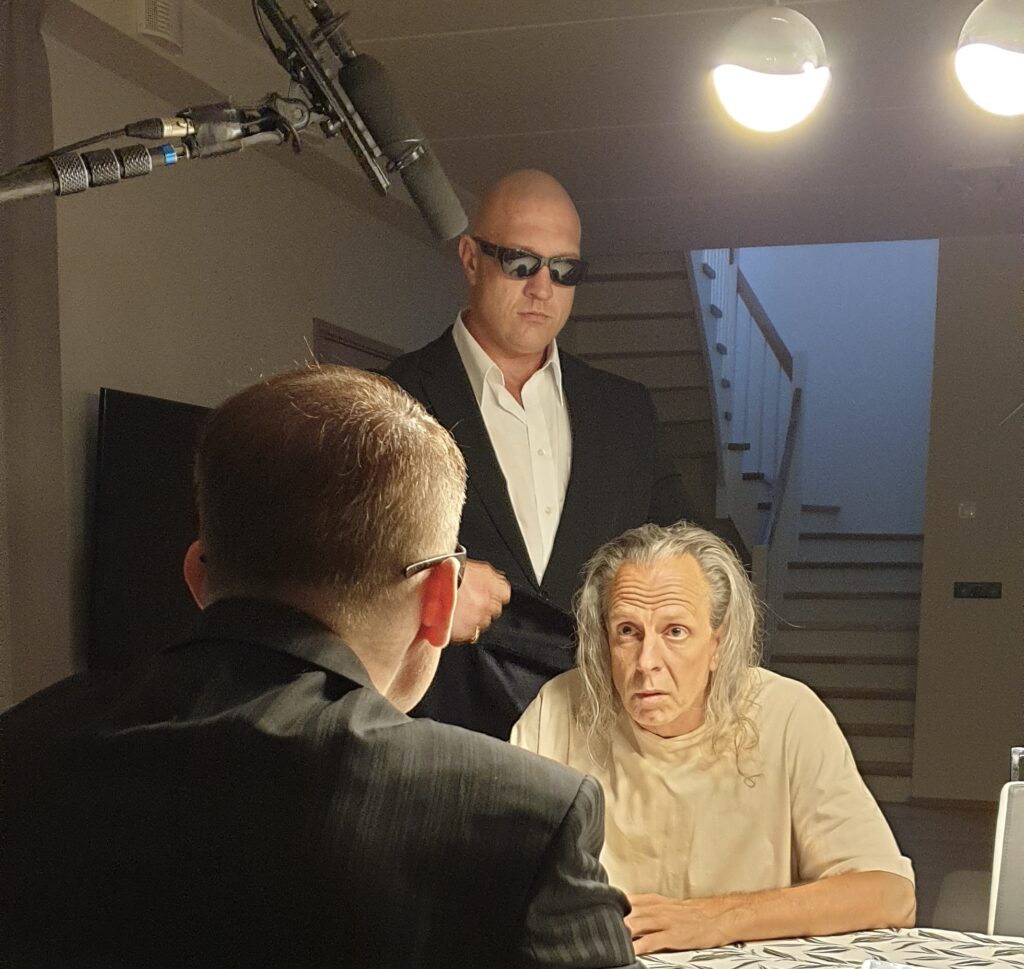
Screen acting offers several advantages compared with stage acting: the time in front of the camera is short, mistakes can be corrected with additional takes, and success can bring wide recognition relatively quickly. Because the physical effort is usually smaller and the work appears easier, screen acting often attracts young performers.
Drawing on more than forty years of professional experience in television, radio drama and theatre, this article discusses practical aspects of screen acting grounded in Stanislavskian craft. While the external score of stage acting must often be reduced for the camera, the actor instead intensifies subtle tools such as the gaze, voice, breathing and minimal gestures. Thinking visually—like a director or camera operator—helps adapt actions to the framing of the shot and maintain the character’s inner objective.
However, screen acting is complicated by the fragmented nature of the filming process. Scenes are shot out of sequence, rehearsal time is limited, and actors often work alone while waiting for technical preparations. Without the continuous arc of stage performance or the presence of a live audience, maintaining the character’s inner continuity becomes a major challenge.
The vital means for establishing this communication is through the eyes
We listen with the eyes as well as the ears. The eyes create a continuous flow of contact and energy that prompts words, actions, thoughts and feelings, some of which may be expressed, some of which may only be experienced while the other person is talking: the process of genuine communication Stanislavski called radiation – one person transmits, and the other receives without interruption.
(Gillet, 2012:91) 1
[1] John Gillett (2012) Experiencing or pretending—are we getting to the core of Stanislavski’s approach?, Stanislavski Studies, 1:1, 87-120, DOI:10.1080/20567790.2012.11428584 ↩
Stanislavsky’s concept of radiation offers a key solution. Through the eyes and subtle bodily expression, actors transmit inner impulses that create an energetic connection with partners, objects, or the camera itself. This radiation enables non-verbal communication and allows viewers to perceive emotional truth through somatic resonance rather than explicit narrative information.
For radiation to function effectively, it must be supported by will, concentration and performing flow. Drawing on psychological explanations by Ribot and Maudsley, radiation can be understood as the outward effect of directed attention and intensified mental energy. When concentration deepens, radiation strengthens and supports a sustained performing flow.
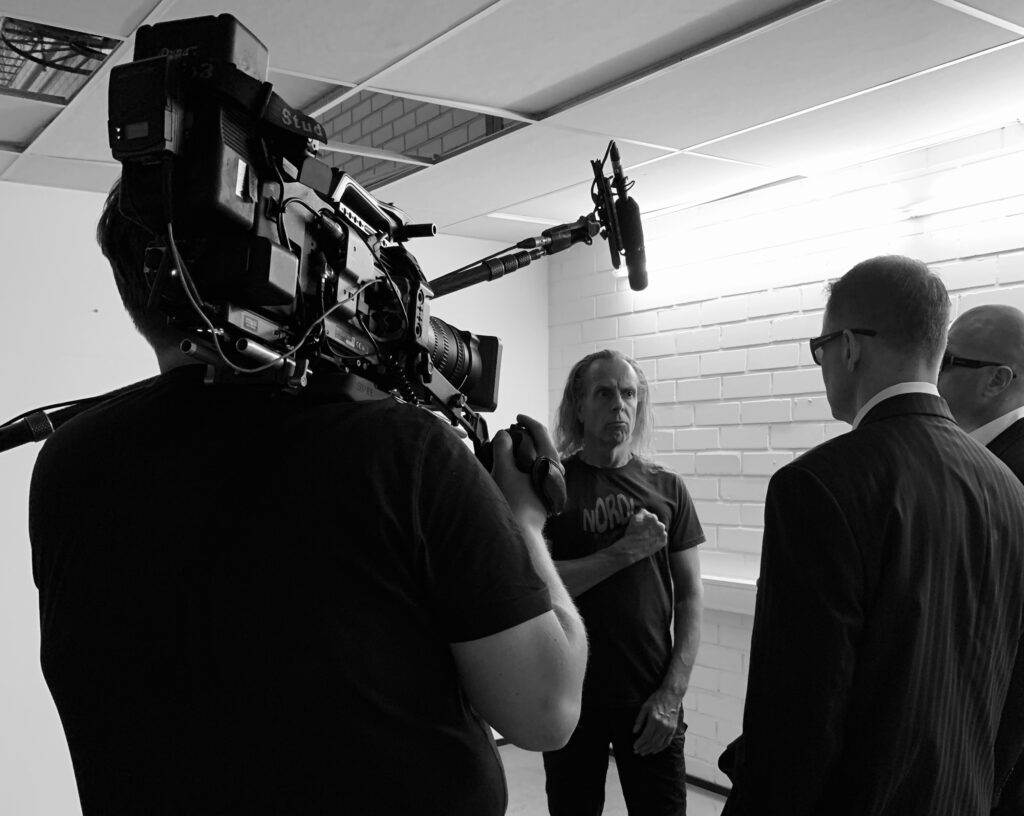
Maintaining such concentration is difficult in the distracting environment of a film set. Research in performance psychology and mindfulness shows that training attention and regulating somatic reactions helps prevent the feedback loop of anxiety and distraction that can disrupt performance.
“The mutual transmitting and receiving in our communication creates a alive, spontaneous and dynamic interaction,which is so sensitised that it could go in different directions given a different thought, feeling or action at a particular time.”
(Gillet, 2012:91)
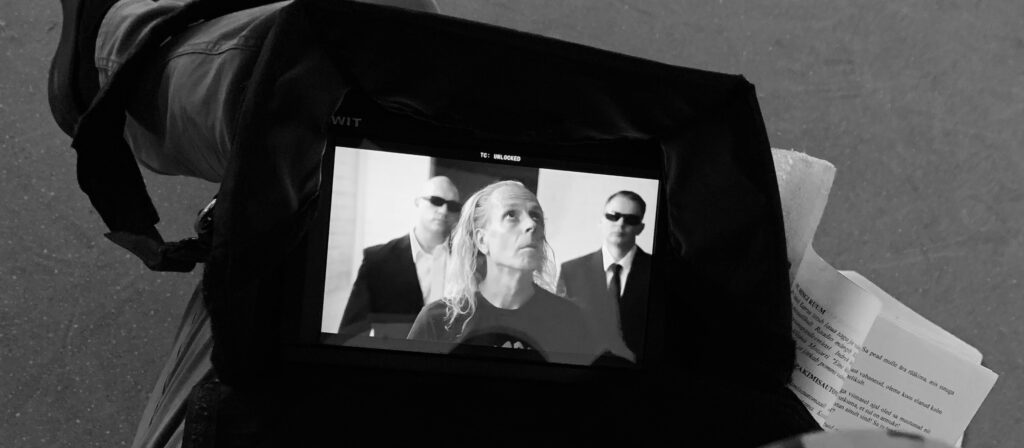
Returning to Stanislavsky’s own sources, including his interest in yoga and psychophysical training, the article argues that these principles remain highly relevant for contemporary screen acting. Building on this foundation, Zero Zone Praxisintegrates Stanislavskian craft, yoga-based awareness, neuroscience and leadership coaching to help actors sustain concentration, manage fragmented shooting conditions and maintain radiation throughout the working day.
In this way, Zero Zone Praxis offers a methodological approach that supports the actor in reaching a heightened state of performing flow and conscious presence even within the fragmented conditions typical of screen acting.